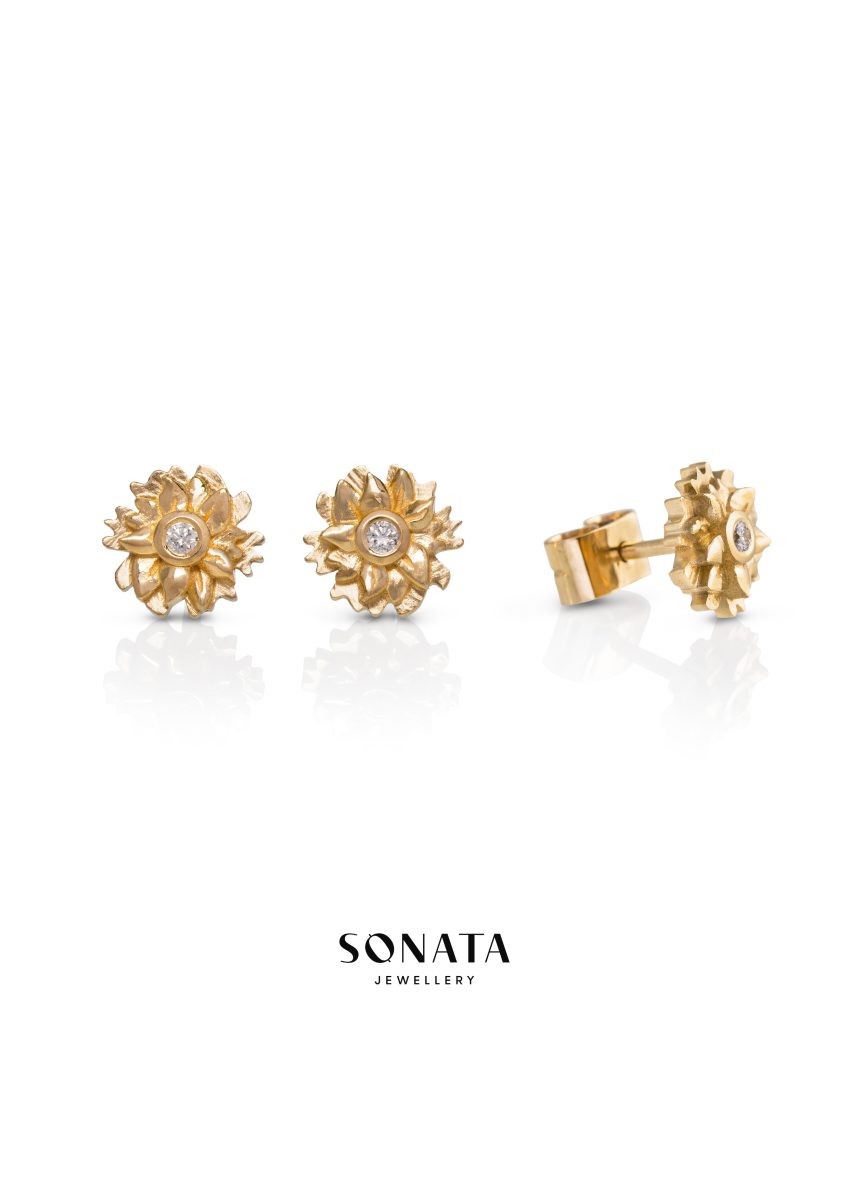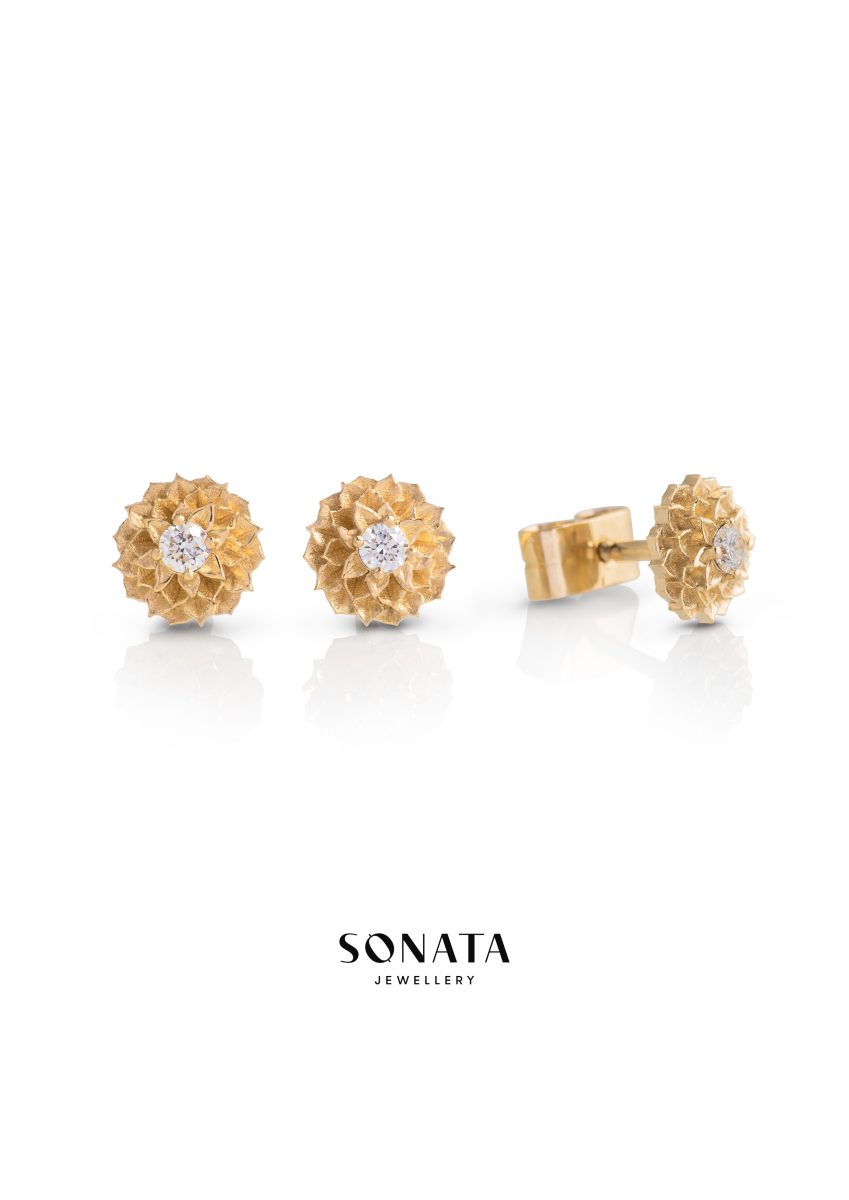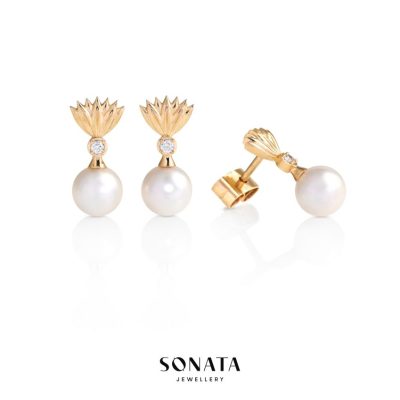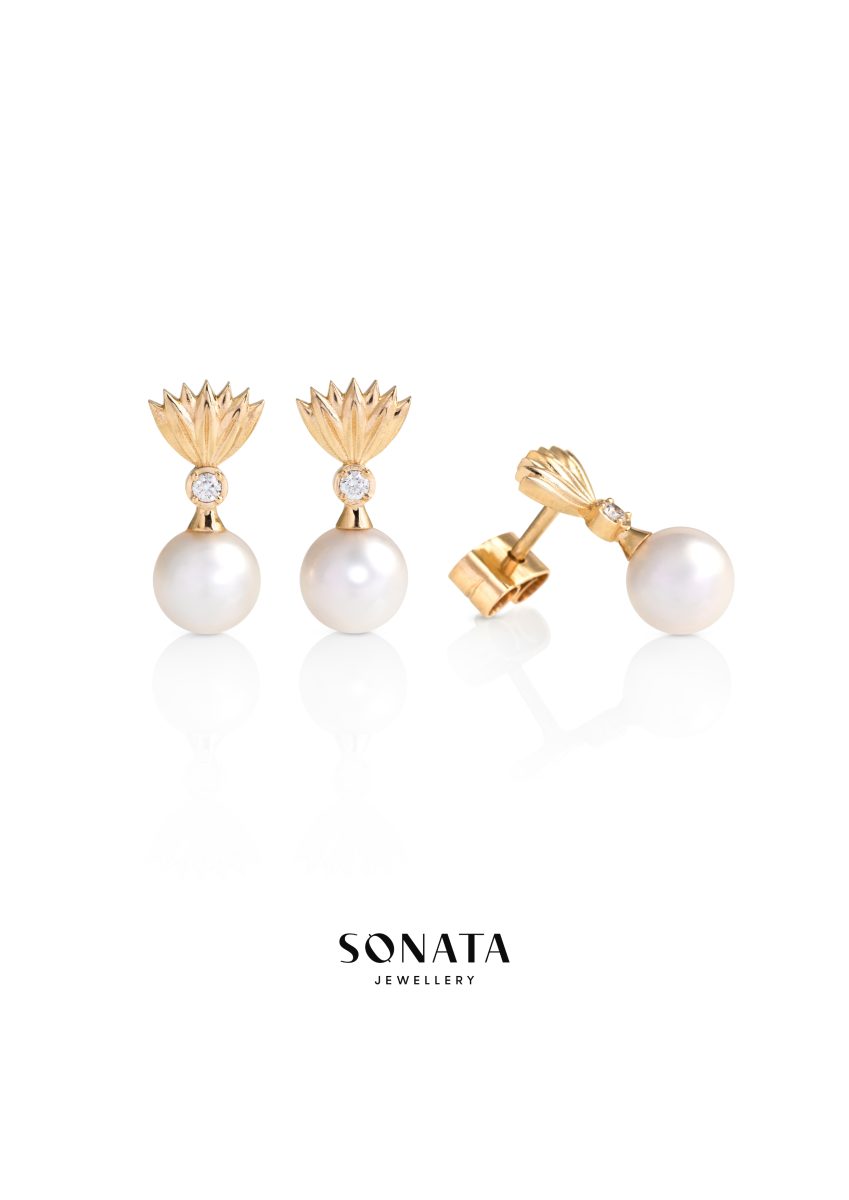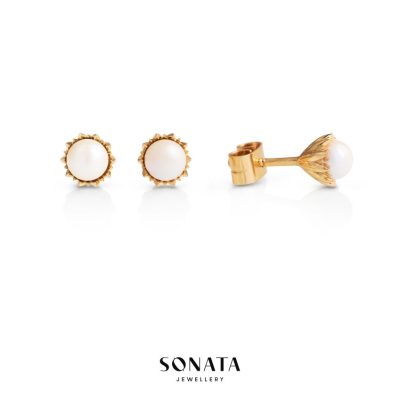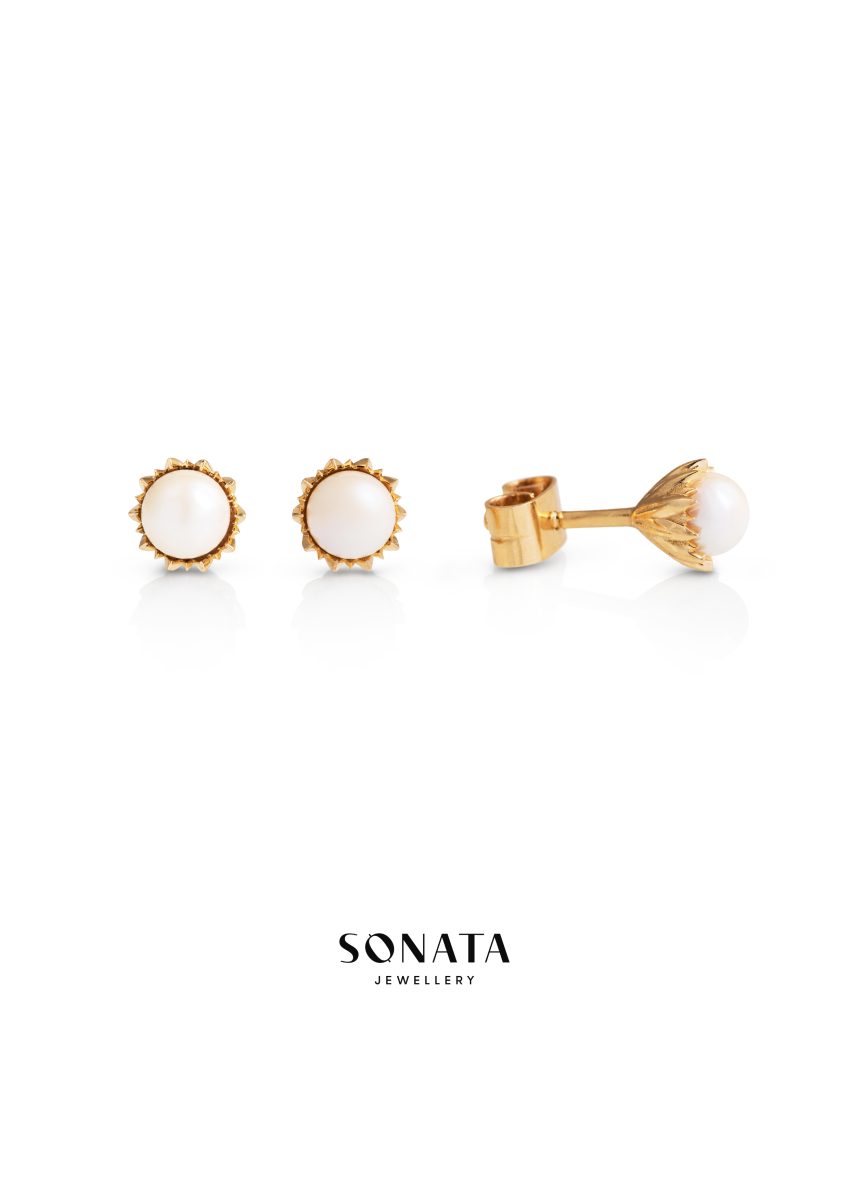

“I am the rose of Sharon, and the lily of the valleys.” Song of Songs 2:1

A woman is a living, blossoming garden, within whose depths lie every imaginable color and emotion of life, with each flower symbolizing a different state of being.

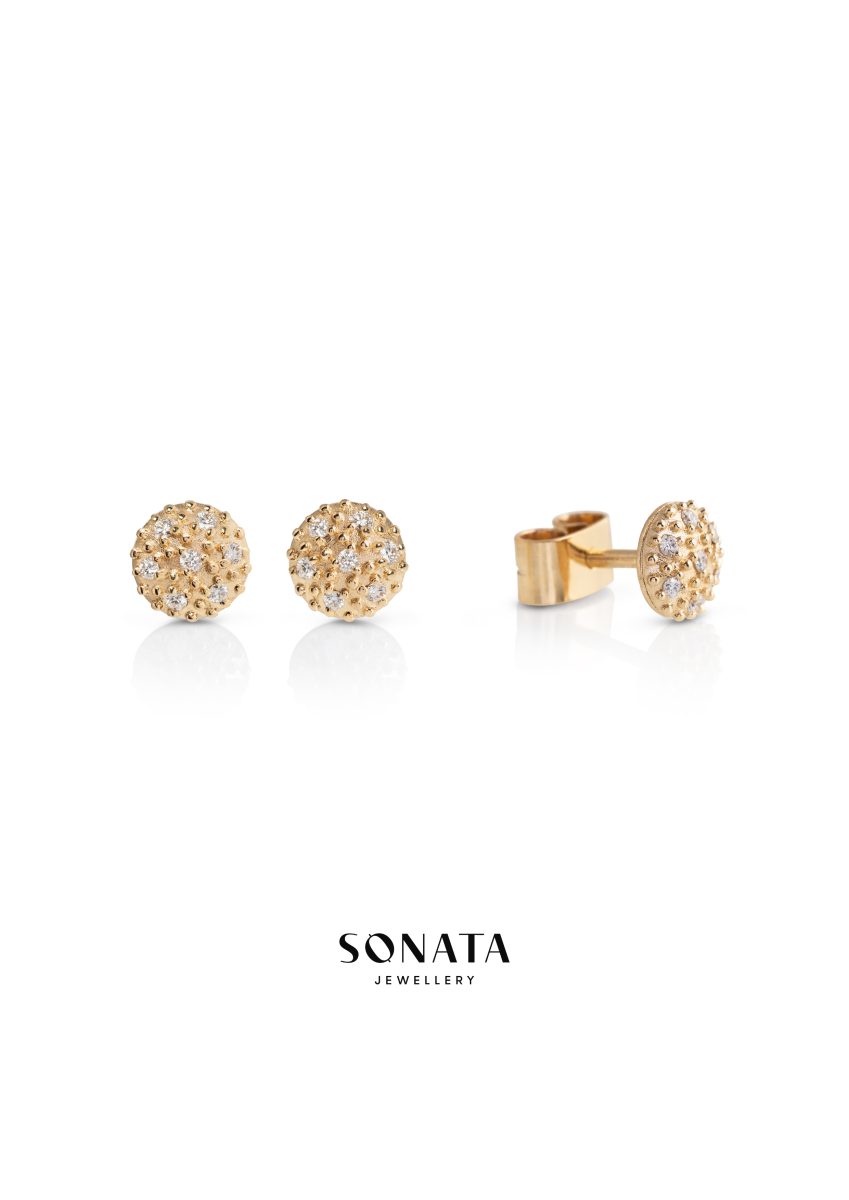
Her life begins as a quiet, delicate BUD – her youth, her mystery, her potential yet to be revealed, and a promise to the world, holding within itself an incredible life force.

When that bud awakens, the spring fragrance of LILAC fills a woman’s soul. Lilac represents her first feelings, intoxicating inspiration, romance, and her ability to fill the world around her with lightness and poetry. Alongside it lives the spirit of the DANDELION. She is light, simple, and radiant like the spring sunshine, yet incredibly strong. Just as a dandelion breaks through the hardest asphalt, a woman possesses the ability to endure, adapt, release her dreams into the wind like floating seeds, and blossom again where no one expected her to.

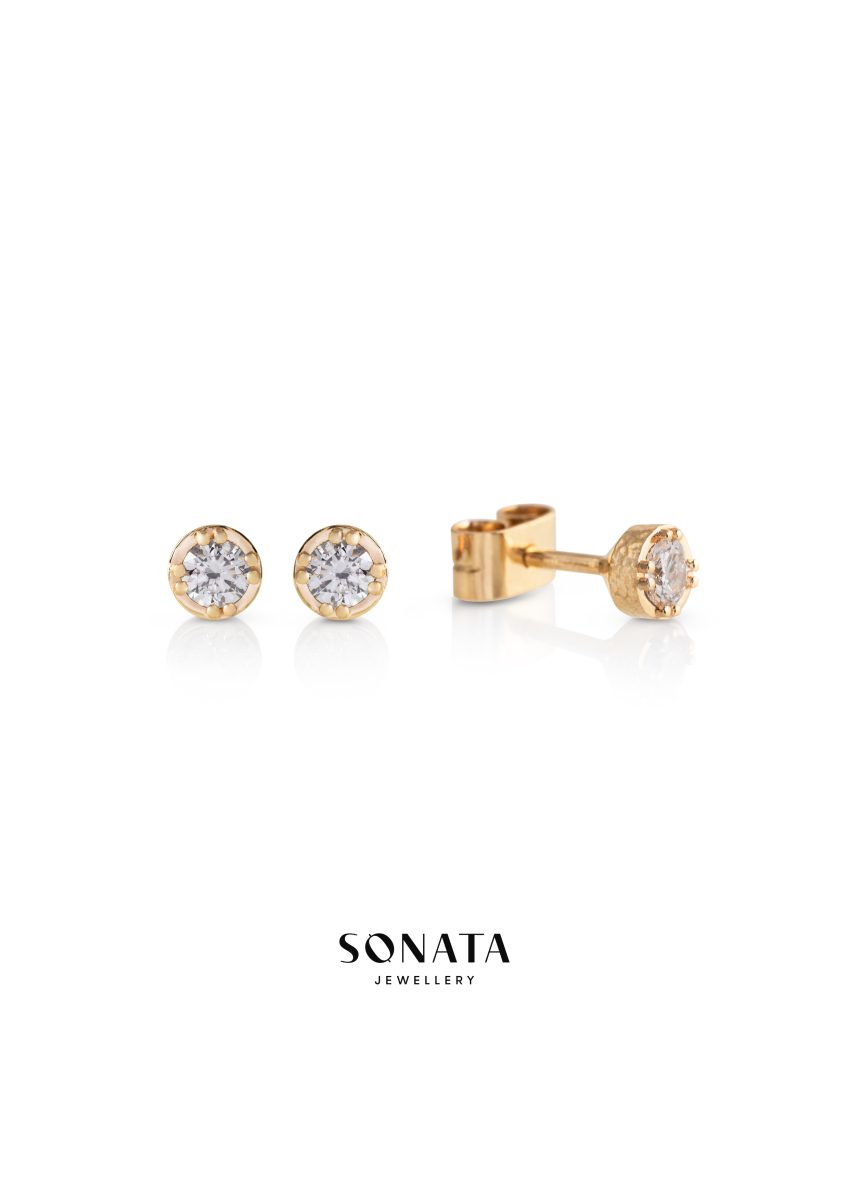
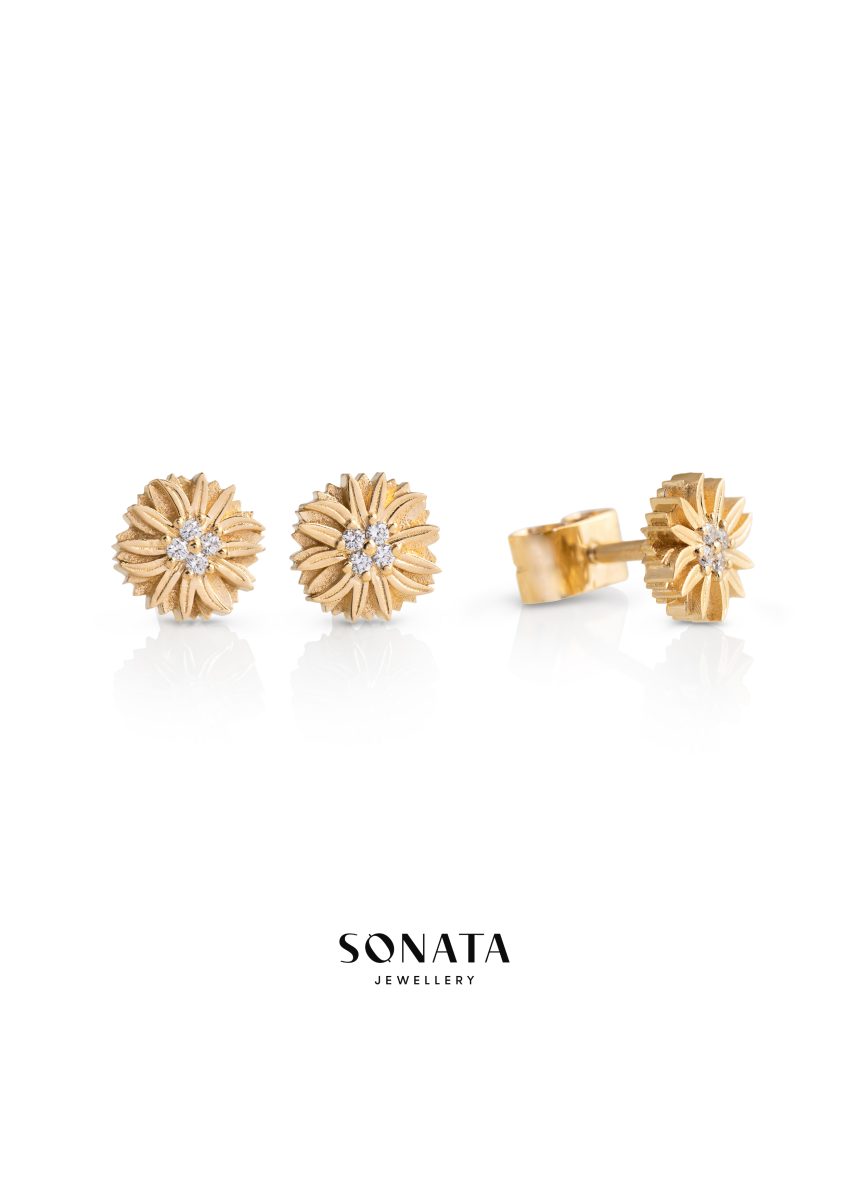
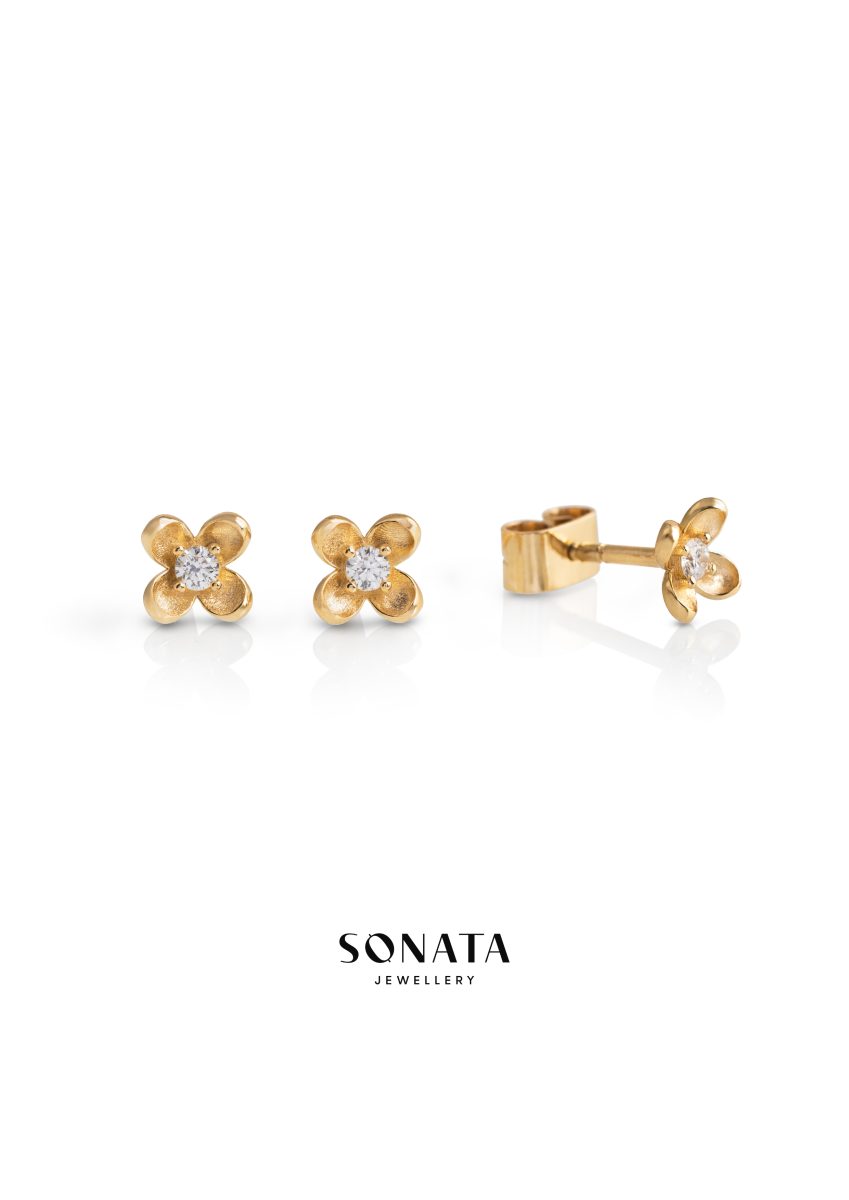
Deep within her heart blooms the DAISY. It represents her peace, purity, truth, and that childlike, sincere faith in love (“he loves me, he loves me not”). The daisy’s simplicity becomes a comforting warmth in a woman’s world, something one longs to embrace. Yet this tranquility can easily transform into the royal splendor of the PEONY – passionate, abundant, overflowing femininity that demands space, admiration, and celebration. The blooming peony represents the unfolding of a woman’s emotions, her generosity, and the fullness of her beauty.
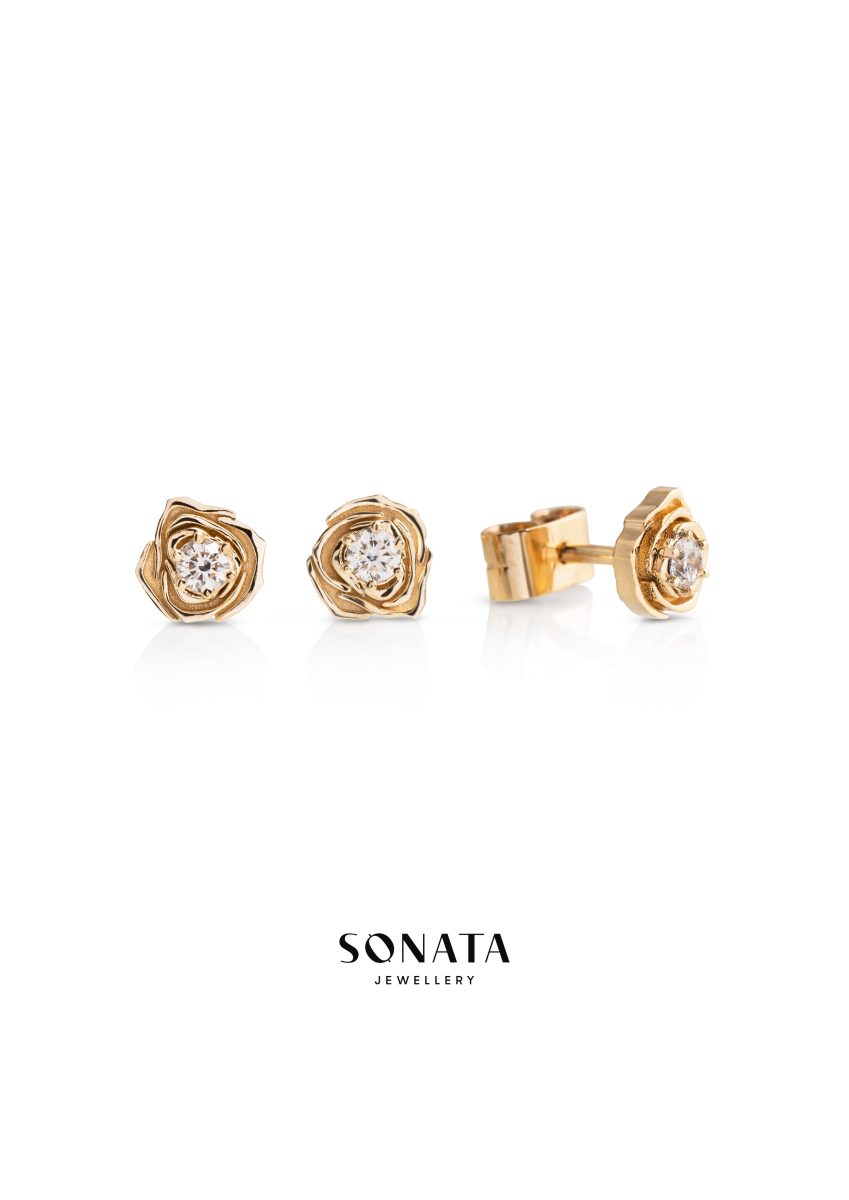
And yet, her world would not be complete without the ROSE. The rose represents a woman’s pride, elegance, and mature love. She knows her worth and knows how to enchant with her fragrance, but her thorns remind us that a woman has boundaries that must be respected. She knows how to protect herself while remaining as graceful as the LILY – the mysterious queen of the valleys, symbolizing her intuition, spiritual purity, and the noble, profound sadness that sometimes visits her soul.

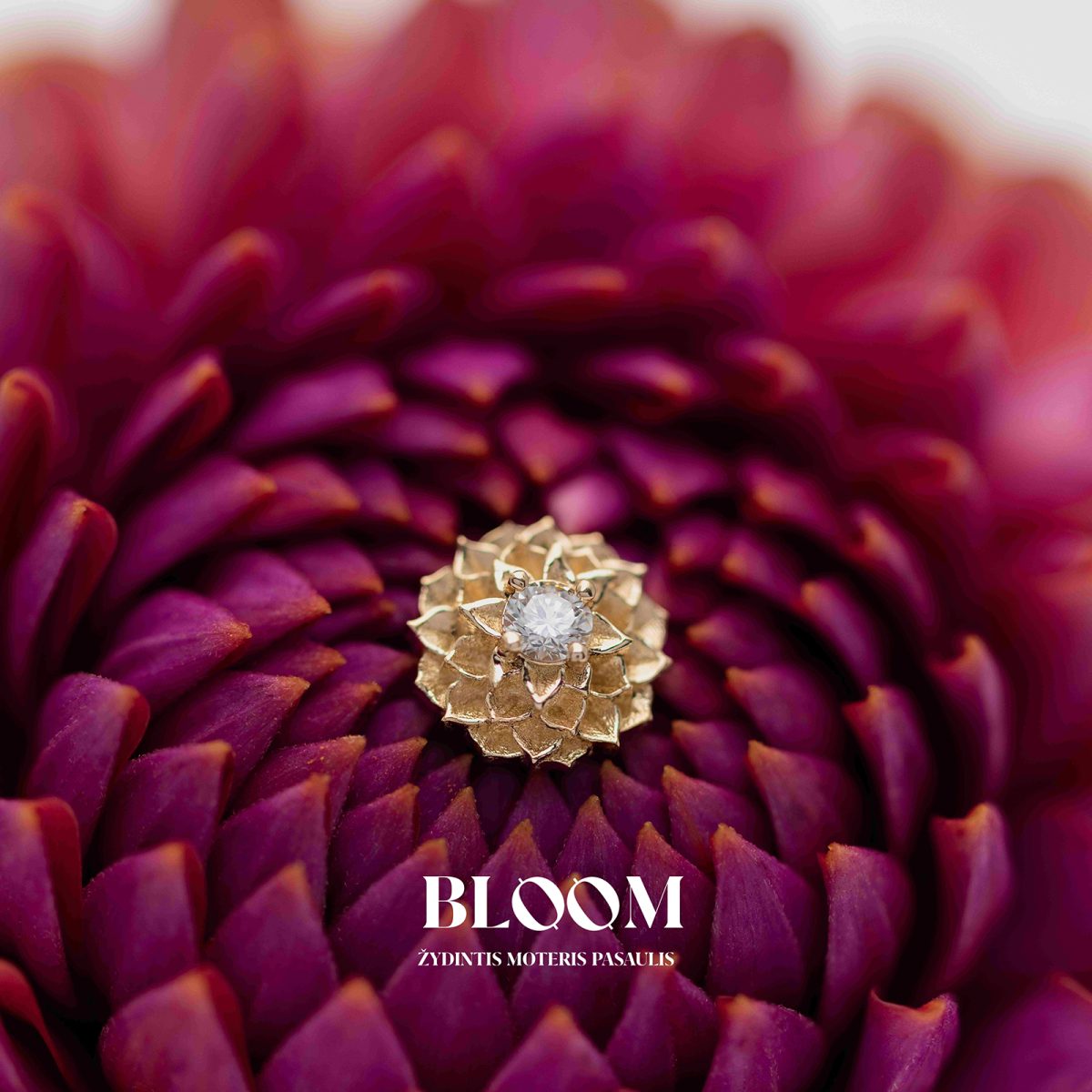
And when the heat of summer gives way to the calmer wisdom of autumn, the DAHLIA blooms proudly in a woman’s garden. It represents her maturity, stability, richness of color, and resilience. The dahlia does not fear the first frosts. It blooms with dignity and brilliance, showing that a woman’s beauty does not fade – it simply changes form, becoming deeper, stronger, and enriched by experience.

All these flowers are one and the same woman, capable of being both fragile and unbreakable, gentle and thorny, simple and regal, all at once. Her life is an uninterrupted, eternal blossoming.

“Aš esu rožė iš Šarono, slėnių lelija.” Giesmių Giesmės 2:1

Moteris – tai gyvas ir žydintis sodas, kurio gilumoje telpa visos įmanomos gyvenimo spalvos ir emocijos, o kiekviena gėlė simbolizuoja kitą būseną. 

Jos gyvenimas prasideda nuo tylaus, trapaus PUMPURO – tai jos jaunystė, paslaptis, dar neatskleistas potencialas ir pažadas pasauliui, saugantis savyje neįtikėtina gyvybės jėgą.

Kai tas pumpuras prabunda, moters sieloje pasklinda pavasarinis ALYVŲ aromatas. Alyva – tai jos pirmieji jausmai, svaiginantis įkvėpimas, romantika ir gebėjimas užpildyti aplinką lengvumu bei poezija. Kartu joje gyvuoja ir PIENĖS įkvėpimas. Ji lengva, paprasta, šviesi kaip pavasario saulė, bet kartu neįtikėtinai stipri. Kaip pienė pramuša kiečiausią asfaltą, taip ir moteris turi gebėjimą išlikti, prisitaikyti, paleisti savo svajones pavėjui tarsi pūkus ir vėl sužaliuoti ten, kur niekas nesitikėjo.

Jos širdies gilumoje žydi RAMUNĖ. Tai jos ramybė, tyrumas, tiesa ir tas vaikiškas, nuoširdus tikėjimas meile („myli – nemyli”). Ramunės paprastumas moters pasaulyje virsta jaukumu, prie kurio norisi prisiglausti. Tačiau ši ramybė lengvai transformuojasi į karališką BIJŪNO prabangą – aistringą, pilną, putojantį moteriškumą, kuris reikalauja erdvės, žavėjimosi ir šventės. Bijūno žydėjimas – tai moters emocijų išsiskleidimas, jos dosnumas ir grožio pilnatvė.

Ir visgi, jos pasaulis nebūtų pilnas be ROŽĖS. Rožė – tai moters išdidumas, elegancija ir brandi meilė. Ji žino savo vertę, moka svaiginti aromatu, tačiau jos dygliukai primena, kad moteris turi ribas, kurias reikia gerbti. Ji moka apsiginti, išlikdama grakšti kaip LELIJA – paslaptinga slėnių valdovė, simbolizuojanti jos intuiciją, dvasinę švarą ir kilnų, gilų liūdesį, kuris kartais aplanko jos sielą.

O kai vasaros karštį keičia ramesnė rudens išmintis, moters sode išdidžiai pražysta JURGINAS. Tai jos branda, stabilumas, spalvų sodrumas ir ištvermė. Jurginas nebijo pirmųjų šalnų, jis žydi oriai ir ryškiai, rodydamas, kad moters grožis nenyksta – jis tik keičia savo formą, tapdamas gilesnis, tvirtesnis ir labiau patyręs.

Visi šie žiedai – tai ta pati moteris, kuri sugeba vienu metu būti ir trapi, ir nepalaužiama, švelni ir dygliuota, paprasta ir karališka. Jos gyvenimas – tai nenutrūkstamas, amžinas žydėjimas.